ΕΚΠΑΙΔΕΥΣΗ ΑΠΟΤΕΛΕΣΜΑΤΙΚΟΥ ΓΟΝΕΑ

Θέλετε να βελτιώσετε τη σχέση σας με τα παιδιά σας;

·         Το σεμινάριο Ε.Α.Γ. θα διαδεχθεί σε 10 δύορες εβδομαδιαίες συναντήσεις όπου στο τέλος των συναντήσεων θα δίνεται πιστοποιητικό παρακολούθησης της εκπαίδευσης.

·         Ο χώρος διεξαγωγής της Ε.Α.Γ. είναι το Κέντρο Συστημικής Συμβουλευτικής όπου θα βρείτε ένα ζεστό και φιλόξενο περιβάλλον.

Ημερομηνίες Νέου Κύκλου Εκπαίδευσης:

7  Οκτωβρίου 2017 (10:00 π.μ)- 14 Οκτωβρίου 2017 (10:00 π.μ)- 21 Οκτωβρίου 2017 (10:00 π.μ)- 27 Οκτωβρίου 2017 (18:00 μ.μ)- 4 Νοεμβρίου (10:00 π.μ)- 11 Νοεμβρίου (10:00 π.μ)- 18 Νοεμβρίου (10:00 π.μ)- 25 Νοεμβρίου (10:00 π.μ)- 2 Δεκεμβρίου (10:00 π.μ)- 9 Δεκεμβρίου (10:00 π.μ)

To πρωτοποριακό πρόγραμμα εκπαίδευσης γονέων βοήθησε πάνω από 1 εκατομμύριο γονείς στη διαπαιδαγώγηση των παιδιών τους. Ο εκπαιδευτής του σεμιναρίου έχει πολυετή εμπειρία στην οικογενειακή συμβουλευτική και ψυχοθεραπεία και ο πρώτος που εκπαιδεύτηκε βάση του μοντέλου Gordon στη Κύπρο.

Θα σας βοηθήσει να αντιμετωπίζετε αποτελεσματικά καταστάσεις όπως: «Κάθε πρωί μέχρι να ετοιμάσω τα παιδιά για το σχολείο, ζω ένα μαρτύριο» «Γίνεται καθημερινά μάχη με το θέμα του διαβάσματος. Δεν ξέρω τι να κάνω πια»  «Το παιδί μου γυρνάει συχνά στεναχωρημένο από το σχολείο. Δεν ξέρω τι τρέχει και πώς να το βοηθήσω» «Με πιάνει απόγνωση με το θέμα του φαγητού. Δεν τρώει τίποτε εκτός από ένα ή δύο φαγητά και αυτά με το ζόρι» «Ο μικρός έρχεται κάθε βράδυ στο κρεβάτι μας και δεν ξέρω πως να κόψω αυτή τη συνήθεια. Δεν κοιμάμαι πια»
Στο Σεμινάριο θα μάθετε: • Πώς να διευκολύνω το παιδί μου να λύνει τα προβλήματα του αποτελεσματικά, χωρίς να γίνομαι παρεμβατικός. • Πώς να διεκδικώ τις ανάγκες μου όταν παρεμποδίζονται από την συμπεριφορά του παιδιού μου, χωρίς να διακινδυνεύω την σχέση μου μαζί του. • Πώς να δημιουργήσω μια ουσιαστική και αρμονική σχέση με το παιδί μου και πως να προλαβαίνω πιθανές συγκρούσεις με τις δεξιότητες πρόληψης. • Πως να διευθετώ τις συγκρούσεις αναγκών, όταν προκύπτουν, με ισότιμο και δημοκρατικό τρόπο ώστε να μην υπάρχουν ηττημένοι.

Λίγα Λόγια για την Εκπαίδευση Αποτελεσματικού Γονέα: 

 Το σεμινάριο Εκπαίδευσης Αποτελεσματικού Γονέα πρωτοπαρουσιάστηκε το 1962 από τον κλινικό ψυχολόγο Dr. Thomas Gordon, και έχει αναγνωριστεί ως η πρώτη εκπαίδευση για γονείς με βάση τις δεξιότητες επικοινωνίας. Διδάχτηκε σε περισσότερους από ένα εκατομμύριο γονείς σε 43 χώρες, ενώ το σχετικό βιβλίο «Parent Effectiveness Training» έχει πουλήσει πάνω από 4 εκατομμύρια αντίτυπα σε 33 γλώσσες.

Στόχος του σεμιναρίου είναι να εφοδιάσει τους γονείς με τις απαραίτητες δεξιότητες, ώστε να αναθρέψουν παιδιά με τρόπο που θα προάγει το αίσθημα της υπευθυνότητας, της αυτονομίας, της αυτοπειθαρχίας, της συνεργασίας, του κοινωνικού ενδιαφέροντος και της χρησιμότητας τους στο κοινωνικό σύνολο. Αυτό επιτυγχάνεται όχι με αυταρχικό ή υποχωρητικό τρόπο, αλλά με την καλλιέργεια των έμφυτων θετικών στοιχείων που έχει κάθε άτομο. Τέλος, η σχέση γονέα-παιδιού είναι καταλυτική και οι δεξιότητες αυτές βοηθούν στη δημιουργία μιας ουσιαστικής και αρμονικής σχέσης.

Η επιτυχία του σεμιναρίου οφείλεται κυρίως στο ότι δεν αρκείται να μεταδώσει κάποιες θεωρητικές γνώσεις, αλλά να θέσει γερές βάσεις πρακτικής μάθησης, που θα φέρουν άμεσα, πραγματικά και αναγνωρισμένα αποτελέσματα στα καθημερινά προβλήματα της οικογένειας. Προς τον σκοπό αυτό, το σεμινάριο είναι βιωματικό και εκτός από τις μικρές μήκους διαλέξεις, δίνει ιδιαίτερη έμφαση σε πρακτικές ασκήσεις, παιχνίδια ρόλων (role plays), συζητήσεις και ανταλλαγές απόψεων και εμπειριών.

Μέγιστος αριθμός συμμετεχόντων: 12

Δίδακτρα:

€ 200 για ένα γονέα

€ 320 για ζευγάρια

Σημείωση: Στη τιμή συμπεριλαμβάνονται το βιβλίο Ε.Α.Γ, τετράδιο, και πιστοποίηση εκπαίδευσης.

Για πληροφορίες Αλέξης Αντωνίου: Ψυχολόγος-Συστημικός Ψυχοθεραπευτής- Πιστοποιημένος Εκπαιδευτής Ε.Α.Γ.

Τήλ:  25322944-96759027 Email: systemiccentre@oulook.com

Διεύθυνση: Κέντρο Συστημικής Συμβουλευτικής

Στρατηγού Μακρυγιάννη 4Β

3022 Λεμεσός

1bbd0060-22be-497b-8bdd-9315012c8ac3_10   10-good-parenting-tips

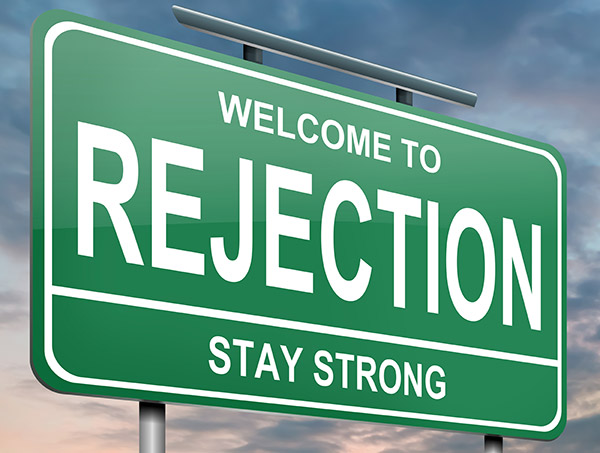
Understanding Rejection

Rejection can be defined as the act of pushing someone or something away. One may experience rejection from one’s family of origin, a friend, or a romantic partner, and the resulting emotions can often be painful. Rejection might be experienced on a large scale or in small ways in everyday life. While rejection is typically a part of life, some types of rejection may be more difficult to cope with than others.

A therapist or other mental health professional may often be able to help an individual work through and cope with instances of rejection and the distress that can result.

Understanding Rejection

Rejection can occur in a variety of circumstances. Typically, rejection describes an instance of a person or entity pushing something away or out. A person may reject, or refuse to accept, a gift, for example. In medicine, rejection occurs when the body refuses to accept transplanted organs or tissue and attempts to get rid of them with an immune reaction.

In the field of mental health care, rejection most frequently refers to the feelings of shame, sadness, or grief that people feel when they are not accepted by others. A person might feel rejected after a significant other ends a relationship. A child who has few or no friends may feel rejected by peers. An individual who was given up for adoption may also experience feelings of rejection.

Rejection can also result from life events not involving relationships, such as being turned down for a desired position. While any rejection can be painful, some instances of rejection may be more affecting than others. Because most humans desire social contact, and many people crave acceptance from society, being rejected can incite negative feelings and emotions.

The feeling of rejection is believed to have developed as an evolutionary tool to alert early humans who were at risk of being ostracized from the tribe they belonged to. A painful rejection from others in the tribe was likely to encourage an individual to modify any problematic behavior in order to avoid further rejection, or ostracism, from the tribe. Those who were able to avoid further rejection were more likely to survive, while those who did not find rejection to be particularly painful may not have corrected the offending behavior, making them less likely to survive. Humans have therefore evolved to experience rejection as painful.

Types of Rejection

Rejection from one’s family of origin, typically parental rejection, may consist of abuse, abandonment, neglect, or the withholding of love and affection. This form of rejection is likely to affect an individual throughout life, and it may have serious consequences: One study found that, in the male members of the study, the perpetration of abuse in intimate relationships was associated with the experience of higher levels of parental rejection in childhood. Symptoms of posttraumatic stress and deficits in social information processing were also linked.

A person might also experience rejection while dating or from a romantic partner. While rejection can occur when a person asks for a date and is denied or when an individual decides to end a relationship, it might also happen within the relationship. For example, an individual may refuse to share an event or experience with a partner, withhold affection, or treat a partner as if that person were no more than a casual acquaintance. These behaviors are all likely to be hurtful and lead the recipient to feel rejected. Because there may be reason for concern if one’s romantic partner is acting in this manner, therapy may be recommended. Individual or couples therapy can provide a space for intimate partners to address any issues that may have arisen in the relationship or on a personal level.

Rejection and the “Friend Zone”

In recent years, the concept of the “friend zone” has been popularized. A person who describes themselves as being “put in the friend zone” is typically saying that romantic advances made toward the object of that person’s affection were refused. This generally occurs in one of two circumstances: One, a person has developed romantic feelings for a friend over time; or two, one attempts to date or otherwise seek intimacy with an individual who does not wish to pursue anything other than friendship.

The concept of the friend zone is considered by many to be problematic, because it is often used to uphold ideas that many find troubling. Although anyone may use the term “being friend zoned” to describe an instance of being rejected, the term is most often applied to and by men who have been turned down by women. While many individuals may be able to readily accept that the person they are attracted to does not have the same feelings, others may feel disgruntled or angry. Some may believe that because they have been nice to an individual, they deserve a chance to date and win the affection of that person. Some may also believe that remaining friends with a person one is sexually attracted to will give that person the chance to realize romantic feelings toward the other individual and develop the desire to pursue a romantic relationship with them. These ideas can perpetuate the notions that romantic love is superior to friendship, that individuals (typically men and women) cannot remain friends without desiring sexual contact, and that all individuals desire sexual contact (eliminating the experiences of those who are aromantic or aseuxal).

This concept is not always used in reference to a man and a woman. When it is used in such a manner, it can have the effect of furthering the belief that when a woman turns a man down, she may not really mean it or may give a different answer in the future, thus implying that women, or any individual who rejects another, cannot be responsible for their own attractions or dating preferences and may not know what they want. The “friend zone” can also be said to contribute to heterosexist beliefs, as another basis for the concept is the assumption that individuals are heterosexual unless they state otherwise, or that heterosexuality is the “normal” sexual orientation.

Using the term friend zone is not necessarily harmful. A person who jokingly states, “I was put in the friend zone again,” may be able to accept this and move on easily. However, the concept is considered by many to be grounded in ideas that can be harmful. Thus, it may be helpful to find a different way to describe a situation where one has been rejected, and those who experience difficulty coping with rejection may find help and support in therapy.

How Rejection Can Hurt

Rejection can be extremely painful because it may have the effect of making people feel as if they are not wanted, valued, or accepted. Most individuals will experience rejection at some point in their lives. A child may feel rejected temporarily by a busy parent, or a student may feel rejected by a professor who is brusque or rude. These types of rejection may resolve quickly and are less likely to have long-lasting effects.

However, long-term rejection or rejection that results in extreme feelings and contributes to trauma can lead to serious psychological consequences. Children who feel consistently rejected by their parents may find it difficult to succeed at school and in relationships with their peers. Romantic rejection can be particularly challenging, especially to individuals who desire a lasting romantic relationship. A breakup, or rejection from a romantic partner, can lead to feelings of grief that may be overwhelming and can last for weeks, months, or even years. Rejection in a romantic relationship might alter the way one views one’s life and one’s own self long after the breakup has occurred.

Rejection might often contribute to pre-existing conditions such as stressanxiety and depression or lead to their development. Similarly, these and other mental health conditions can exacerbate feelings of rejection. Some individuals develop a chronic fear of rejection, often as a result of multiple traumatic experiences with rejection early in life. Research has also shown that the brain responds to social pain in a way that is similar to the way that it responds to physical pain. According to research, the same brain pathways that are activated by physical pain are also activated by social pain, or rejection. Receptor systems in the brain also release natural painkillers (opioids) when an individual experiences social pain, the same as when physical pain is experienced.

Rejection has been linked to the development of depression in teen girls. Further, bullying, which is essentially a combination of ostracism and rejection, can have numerous negative effects, including depression, stress, eating disorders, and self-harming behaviors, among others.

Addressing and Coping with Rejection

Those who find themselves rejected often may become distressed or frustrated. They may begin to reject themselves, believing that they are not good enough for others or that they will never succeed. Though it may be difficult to cope with rejection, especially when it seems as if it is frequent, it may be helpful to:

  • Acknowledge the event and accept that it was painful. Rejection is a common experience, and pain and distress are normal responses.
  • Express feelings verbally, to one’s self or others. This can help clarify the event and facilitate understanding of why one was rejected.
  • Avoid dwelling on the event, as this can lead to self-blame and may make it difficult to move forward after being rejected.
  • Use facts to understand rejection. Avoid self-blame or negative thoughts about the self.
  • Reach out to friends or family members. Positive social interactions can provide natural pain relief.
  • Engage in physical activity, as exercise can often relieve the pain of rejection.

Individuals with lower self-esteem may find rejection to be more painful, and it may be more difficult for them to recover from rejection. Research has also shown that people who are more sensitive to rejection may be likely to engage in behavior that leads to further incidences of rejection. They may also be more likely to experience loneliness, as they may attempt to avoid chronic rejection in their interactions by avoiding social situations entirely. Working to strengthen resilience and developing a strong support system of trusted family and friends can help those who are sensitive to rejection overcome any sensitivity and reinforce belief in their own values.

Therapy for Rejection

Talking to a close friend or family member about the experience of rejection may be helpful, but some individuals who are more sensitive to rejection and others who experience frequent rejection or exclusion may find it more difficult to move past the pain. Sometimes, this difficulty can have severe consequences, such as depression, substance abuse, and suicidal ideation. These conditions can be addressed and treated in therapy, and a therapist may also be able to help an individual to explore potential reasons for rejection and work to achieve personal improvement in these areas.

Some individuals may internalize the pain of rejection, believing that there is something wrong with them, but others might externalize it, believing that the fault lies with those who have rejected them. Chronic feelings of rejection may lead to extreme responses, such as aggression. These behaviors may have the effect of further isolating an individual, but they can also have a negative effect on others. Discussing one’s feelings with a therapist can help prevent these harmful behaviors.

Rejection can be frustrating and lead to self-doubt and internal distress, and therapy can help an individual address these issues. Further, a person who is continually rejected may find therapy to be helpful in the exploration of potential reasons for chronic rejection. Individuals who fear further rejection or desire help in moving past a previous rejection may find that a mental health professional can help and support them through this process.

Couples counseling may benefit couples where rejection issues affect one or both partners and may also be of help when rejection is experienced within the relationship. One partner may be unaware of how certain behaviors make the other partner feel rejected, and therapy can help uncover the underlying reasons for the behavior. When an individual is aware of these behaviors, therapy can still help address the reasons and support the couple as they work through any issues in their relationship.


Source: http://www.goodtherapy.org/learn-about-therapy/issues/rejection
635895246024855434655902584_rejection1

Συγκρούσεις στα ζευγάρια

Πολύ συχνά, τα ζευγάρια δεν τσακώνονται για αυτό που νομίζουν, δηλαδή για τα χρήματα, το σεξ, την ανατροφή των παιδιών, τα πεθερικά ή τις δουλειές του σπιτιού. Στην πραγματικότητα, οι σύντροφοι τσακώνονται κυρίως όταν πιστεύουν ότι το ταίρι τους δεν ενδιαφέρεται για το πώς αισθάνονται. Τσακώνονται εξαιτίας του πόνου της αποσύνδεσης.

Η αποσύνδεση συμβαίνει πιο συχνά στις προσωπικές σχέσεις, όταν ο φόβος ή το άγχος στον έναν, προκαλεί μια αίσθηση ανεπάρκειας στον άλλο.

Υπάρχει ένας μηχανισμός επιβίωσης που παρατηρείται στα περισσότερα κοινωνικά ζώα, όπου ο φόβος και το άγχος των θηλυκών μελών της αγέλης χρησιμεύει ως ένα αυτόματο σύστημα συναγερμού για να διεγείρει την επιθετική-προστατευτική συμπεριφορά των αρσενικών μελών. Η καλύτερη αίσθηση της όσφρησης και ακοής των θηλυκών, τις καθιστά πιο ευαίσθητες στον κίνδυνο και πιο κατάλληλες για να λειτουργούν ως κοινωνικοί συναγερμοί. Όταν τα θηλυκά τρομάζουν, τα ισχυρότερα (και πιο αναλώσιμα) αρσενικά, συχνά σχηματίζουν μια αμυντική περίμετρο γύρω από την απειλούμενη αγέλη.

Ο ανθρώπινος εγκέφαλος είναι πιο κοινωνικά δομημένος από εκείνον οποιουδήποτε άλλου ζώου. Σε μας, αυτός ο πρωτόγονος διαδραστικός μηχανισμός παίρνει πιο περίπλοκες μορφές που υπονομεύουν (αφανώς) τις προσωπικές μας σχέσεις.

Αντιμέτωπος με το άγχος ή το φόβο μιας γυναίκας, ένας άντρας συνήθως ανταποκρίνεται με προστασία/υποστήριξη. Αλλά αν δεν ξέρει πώς να προστατεύσει/υποστηρίξει ή αισθάνεται αποτυχημένος ως προστάτης, είναι πιθανό να στρέψει την επιθετικότητα πάνω της (συνήθως με τη μορφή της κριτικής, «ανώτερης συλλογιστικής», ελέγχου κ.λπ. ) ή να την συγκρατήσει μέσα του, αποσυρόμενος στην απογοήτευση. Ο θυμός ή η απόσυρση από τους άνδρες συχνά διεγείρει το άγχος ή το φόβο της απομόνωσης στις γυναίκες, ακόμα και όταν ο θυμός του ή η απόσυρσή του δεν έχει σχέση μαζί της.

Σε γενικές γραμμές, ένας άντρας είναι πιθανό να αποτραβηχτεί, να είναι επικριτικός, αμυντικός, ή περιφρονητικός, αν βιώνει (ή, πολύ πιο συχνά, προσπαθεί να αποφύγει να βιώσει) αισθήματα αποτυχίας ή ανεπάρκειας ως πάροχος, προστάτης ή εραστής. Μια γυναίκα είναι πιθανό να γίνει επικριτική, αμυντική ή περιφρονητική, αν βιώνει (ή της υπενθυμίζουν ότι έχει βιώσει) φόβο μήπως πάθει κακό, απομόνωση ή αποστέρηση.

Αν το ζευγάρι δεν κατανοεί αυτή την ασυνείδητη, αμφίδρομη δυναμική, θα νομίζουν ότι έχουν ένα πρόβλημα «επικοινωνίας» και κατά πάσα πιθανότητα θα συνεχίσουν να προκαλούν άγχος και ντροπή ο ένας στον άλλο, καθώς προσπαθούν να μιλήσουν. Θα αρχίσουν να σκέφτονται ότι έχουν έναν κακό, αναίσθητο ή εγωιστή σύντροφο και τελικά θα εγκαταλείψουν τη σχέση χωρίς να κατανοήσουν τον πρωτόγονο συναισθηματικό μηχανισμό που έκανε την πραγματική ζημιά.

Αυτό είναι ιδιαίτερα άσχημο, γιατί η αλληλεπίδραση φόβου-ντροπής δεν είναι το αποτέλεσμα του ενός μέλους που κάνει κάτι στο άλλο μέλος. Συμβαίνει και στους δύο ταυτόχρονα. Αν δεν το προσάψουν, ο ένας στον άλλο, τότε μπορούν να δουλέψουν μαζί για να αφοπλίσουν αυτό που είναι μια πραγματικά πρωτόγονη, προ-λεκτική δυναμική.

Πρώτα θα πρέπει να εκπαιδευτούν οι ίδιοι να θυμούνται ότι νοιάζονται ο ένας για τον άλλο, όταν διαφωνούν.


Πηγή: https://www.e-psychology.gr/relations-sexual-disorders/2197-giati-tsakonontai-ta-zevgaria.htmlPsychotherapy1

12-Everyday Solutions to Cope with Stress and Anxiety

Life in today’s fast-paced world is complex, with more stressors and less direct social support than in past generations. Exposure to multiple life stressors has been shown to leave people vulnerable to illness and other negative outcomes, making it all the more important that effective coping strategies are developed and utilized.

One of the most common reactions to stressful life events and transitions is anxiety. One of the most widely reported mental health challenges that people face in the United States, anxiety affects about 40 million adults ages 18 and older.

Common symptoms of anxiety include feelings of panic, fear and uneasiness, difficulty sleeping, muscle tension, cold or sweaty hands/feet, shortness of breath, heart palpitations, restlessness, dry mouth, nausea, dizziness, excessive or unrealistic worry, and avoidance of triggering situations. Temperament and prior experiences with stressors are key determinants of whether a person develops problematic anxiety in response to life events. Though their genetics and past experiences cannot be changed, people can better prepare for the inevitable ups and downs of life by understanding their emotional responses and by nurturing healthy daily practices.


The Fight-or-Flight Response

Fear and anxiety are natural and adaptive responses to stressors. Fear is a reaction to a present danger in the environment, while anxiety refers to the anticipation of some potential threat in the future.

When the mind perceives a threat, the nervous system activates the fight-or-flight response. A complex physiological event, the fight-or-flight response mobilizes a person for action in the face of a life-threatening danger. Because the human nervous system does not distinguish between real and imagined threats, this response system can work against a person, resulting in panic and anxiety.

The good news is that our understanding of the biological underpinnings of the fight-or-flight response has led to well-researched, effective treatments and coping methods. Below are some healthy strategies that you can begin to practice right now, regardless of whether this is a time of stress:

  1. Practice deep breathing, meditation, or relaxation: Breathing and meditation can help you focus on the present moment and reduce ruminative worry and anticipatory anxiety. Regular relaxation exercises lower overall physiological arousal.
  2. Look back to other stressful times: Reflect on past stressors and remind yourself that stressful periods are temporary and will pass.
  3. Identify effective coping from the past: You’ve been through tough times in the past. Review what helped you during those times.
  4. Accept negative feelings: Don’t deny anger, guilt, sadness, or negative feelings. Try to accept and acknowledge your feelings. Journaling can provide a safe space to express and process feelings.
  5. Engage in active problem solving: Identify aspects of the situation that you have control over and appropriate responses.
  6. Maintain and utilize supportive relationships: Build loving and warm relationships with trusted others you can lean on during difficult times.
  7. Get plenty of sleep: Aim to get seven to eight hours of sleep each night. Establish a regular bedtime and wake-up time.
  8. Exercise: Daily exercise is one of the most effective ways to reduce stress and anxiety. If cleared by your physician to do so, try to exercise vigorously four or more days a week.
  9. Eat well: Eat a balanced diet, and don’t skip meals and snacks.
  10. Schedule rest breaks: Set an alarm on your phone to remind you to take a few minutes several times a day to meditate, breathe, or otherwise relax.
  11. Engage in pleasurable activities: Be sure to carve out time to engage in things you enjoy on a daily basis.
  12. Avoid caffeine and alcohol.

Everyone goes through difficult and stressful times. It is important to cultivate a robust set of coping strategies to build your resilience and reduce the negative impact of life’s challenges. If you find that you are having trouble coping, consider seeing a therapist or seeking out a support group.


Reference: http://www.goodtherapy.org/blog/12-surefire-strategies-for-coping-with-anxiety-and-stress-0513155

images11


Συναισθηματικά Προβλήματα και Αφηγήσεις

Οι περισσότεροι πιστεύουν πως θα βοηθηθούν αν κάποιος φίλος, αν ο ψυχοθεραπευτής τους τους πει τι πρέπει να κάνουν. Πως πρέπει να αντιμετωπίσουν το πρόβλημα που έχουν και τους βασανίζει! Πρώτον, το πρόβλημα με το οποίο έρχεται κανείς στην ψυχοθεραπεία, ελάχιστη σχέση έχει με τον αληθινό λόγο για τον οποίο χρειάζεται βοήθεια.

Το «πρόβλημα» είναι συχνά η άκρη του παγόβουνου. Μια καλή αφορμή για να διερευνήσει κανείς το πλέγμα των μπλεγμένων και δυσκολεμένων σχέσεών του με τους γονείς του, τον/ την σύντροφό του, τα παιδιά του.

Με τις κρυμμένες -ακόμη απ’ τον ίδιο- εσωτερικές του πληγές.

Δεύτερον, κανείς μέσα στην αίθουσα των ψυχοθεραπευτικών συνεδριών δεν έχει ποτέ βοηθηθεί, ακούγοντας τις συμβουλές, ή τις απομονωμένες από τα παρόντα σχεσιακά συμφραζόμενα ερμηνείες του ειδικού.

Βοηθιέται όμως πολύ ακούγοντας ο ίδιος τον εαυτό του να μιλάει.
Βοηθιέται πολύ καθώς αφηγείται τις προσωπικές του ιστορίες, γιατί σχηματοποιεί ασαφή και χαοτικά κομμάτια του παρελθόντος και του παρόντος της ζωής του.
Καθώς η άμορφη και συγκεχυμένη ιστορία του μορφοποιείται, ο αφηγούμενος έρχεται ευκολότερα σε επαφή με πραγματικά του αμεταμφίεστα και πρωταρχικά του αιτήματα. Με τις πληγές του και τα συναισθήματά που αυτές επιφέρουν.

Το να αγγίξει κανείς βιωματικά, στο εδώ και τώρα, τις ψυχικές του πληγές είναι ίσως το δυσκολότερο και το σημαντικότερο μέρος της ψυχοθεραπείας του.
Οι εκλογικευμένες και ανώδυνες απαντήσεις στα εύλογα «γιατί;» των θεραπευομένων έχουν πολύ λίγη αξία για τους ίδιους και την θεραπεία τους.
Πολύ μεγαλύτερη σημασία έχει το να γίνει εν επιγνώσει του ο θεραπευόμενος αυτήκοος μάρτυρας των αφηγήσεων του, καθώς αυτές καθρεφτίζονται στην έμψυχη και αλληλεπιδραστική παρουσία ενός έμπιστου ανθρώπου, του ψυχοθεραπευτή.

Ποτέ η ερμηνεία, ακόμα και του ευφυέστερου άλλου, δεν είναι σε θέση να γιατρέψει τις δικές σου ανοιχτές πληγές. Αντίθετα, η καρδιακή κατανόηση του τραύματός σου υπό το φώς της εμπειρικής του επίγνωσης στο εδώ και τώρα της σχέσης είναι δυνατόν να σε «σώσει» από την πληθώρα των ανέξοδων νοητικών σου «γιατί;»…

images


Σύνδεσμος:

http://www.e-psychology.gr/psychotherapy-counselling/1423-h-lush-tou-psuxikou-provlhmatos-vrisketai-sthn-sxesh-pou-dhmiourgei-h-afhghsh-tou.html


The long-term effects of trauma and abuse

The effects of abuse and/or trauma can be extremely long-lasting and may permeate every aspect of one’s life. This is especially true for individuals who experienced traumatic events in childhood that may have occurred on an ongoing basis.

A learned helplessness can lead many of these individuals to remain in the role of victim, feeling that they have no control over what happens in their lives. Part of this sense of powerlessness stems from the fact they endured abusive situations during a time when they were utterly dependent on others for their well-being. When a parental figure, caregiver, or other adult abuses a young child, the child is unable to prevent the abuse from occurring and may come to believe that he or she has no control over anything. (This same type of feeling can also occur with prisoners who depend on their captors for all of their needs.)

In addition to learned helplessness, many victims of trauma may also experience feelings of shame and guilt. Young children often believe that they are somehow to blame for their abuse, perhaps even that they may have done something to deserve it. In many cases, perpetrators may actively reinforce this message in an attempt to justify their actions. This can lead to intense feelings of shame for victims and can seriously affect their sense of self-esteem and self-worth. (Similarly, individuals who have experienced abusive relationships may feel as though they are unworthy of love and that the only partners they can attract are those who will mistreat them in some way.)

A majority of people I’ve worked with in my psychotherapy practice who were abused in childhood have internalized their abuser and continue to berate themselves on a regular basis. One was verbally abused by both of her parents while growing up. Even after the death of her parents many years later, she continues to put herself down with negative self-talk and harsh inner criticism. She can seemingly never do anything good enough to please or love herself, just as she was never able to figure out how to please her parents. The outer tormentors she once had have become an inner one—one even more punitive than her parents ever were.

Working through traumatic issues of this nature usually requires the assistance of an empathetic other, ideally a therapist who can help the individual become more aware of the ways in which the abuser has become internalized. This can require considerable patience and understanding, as people who experienced trauma often struggle with trust issues and unexpressed anger and rage. Their sense of betrayal can be quite strong if someone they loved and depended on caused them harm. This is especially true if the abuse occurred at a young age, when the child may have been unable to voice any painful emotions. Years later, their emotions can still feel dangerous to express.

A licensed therapist can help a person who experienced trauma or abuse to release emotions that have remained pent-up for a long time. Victims of trauma or abuse can then begin the journey to discover the self-love and other aspects of themselves that they may have left behind. This journey can be a long and arduous one, but the prospect of reconnecting with the peace and joy inherent in one’s true nature makes it all the more worthwhile

logo.


Link: http://www.goodtherapy.org/blog/it-follows-the-long-lasting-effects-of-abuse-and-trauma-0408155

NEW YEAR’S RESOLUTION

Inspiration from Solution focused brief therapy!

Take some time and think of the following:
a) What are your best hopes for 2015?
b) What else do you wish for? (x3)
c) How would you know that these hopes or changes are actually taking place?
d) Who else will notice these changes?
e) What will they notice?
f) What are you doing already that helps these changes to take place?
g) What else are you doing? (x3)
h) On a scale of 0-10 with zero meaning you are super far away from these changes, and ten that you have changed already, where do you put yourself?
i) How would you know that you have moved one point up on the scale?
j) When will these changes start taking place?

vintage-newyear-5

The Importance of School Counselor’s in School Success

Parents, the media, administrators and the general public often wonder just what it is that school counselors work on a daily basis. Gone are the days of school counselors sitting in their office simply handing out college applications, making schedule changes for students who want to drop a class or meeting with the troublemakers in the school. Today’s school counselors are important members of the education team. They help all students in the areas of academic achievement, personal/social development and career development, ensuring today’s students become the productive, well-adjusted adults of tomorrow.

A great video to watch!

Just press on the link below (The letter’s in bold blue!)

School Counsellor’s Role

school-counsellors-4


The Effectiveness of Runner’s High in Health

Sometimes we get it, sometimes we don’t. But we always want it – and more of it. It’s the runner’s high, and when we are lucky enough to tap into it, our runs feel easy, exhilarating, even euphoric. But we aren’t always that lucky, are we?

Recently, researchers studied how the brain responds to running and found that the ability to get “high” while logging miles might be hard-wired within us. Years ago, our ancestors’ survival likely depended on chasing down food. The desire to live was possibly their motivation to run and run fast, and the feel-good brain chemicals released when they did so may have helped them achieve the speed and distances required, says David A. Raichlen, Ph.D., an associate professor of anthropology at the University of Arizona. The runner’s high may have served (and serves today) as a natural painkiller, masking tired legs and blistered feet, he says.

Even though you no longer have to chase down dinner, learning how happy brain reactions are sparked may help you achieve the runner’s high more often.

The Trigger:The role of Endorphins

Nature’s home-brewed opiates, endorphins are chemicals that act a lot like their medically engineered counterpart, morphine. Runners have credited them for their feel-good effects for decades, but it wasn’t until 2008 that German researchers used brain scans on runners and were able to identify exactly where they originated. The scientists found that during two-hour-long runs, subjects’ pre-frontal and limbic regions (which light up in response to emotions like love) spewed out endorphins. The greater the endorphin surge in these brain areas, the more euphoric the runners reported feeling.

How to Get It: Push yourself – hard, but not too hard. Endorphins are painkillers produced in response to physical discomfort, says Matthew Hill, Ph.D., an assistant professor at the University of Calgary’s Hotchkiss Brain Institute. But that doesn’t mean your runs should be excruciating; you need to find a sweet spot where they are comfortably challenging (think tempo run). In the German study, for example, the subjects were experienced runners for whom a two-hour run at a six-to seven-mile-an-hour pace wasn’t easy nor was it gut-busting. “Most runners I have worked with experience endorphins when they are pushing their bodies, but not usually at max effort,” says Cindra S. Kamphoff, Ph.D., director of the Center for Sport and Performance Psychology at Minnesota State University. A short, casual run likely won’t produce enough discomfort to trigger a rush. Attempt a pace or distance that’s too aggressive, and you’ll possibly be too overwhelmed by the effort to feel good. As powerful as they are, endorphins can’t override an injury or lack of training (which is why newbies aren’t likely to feel elated when they are just starting out).

Hooking up with others could also help: An Oxford University study reported that rowers who exercised together significantly increased their endorphin release compared with solo rowers. When you are on your own, consider wearing headphones: Research shows that listening to your favorite music may spike endorphins.

The Trigger: Endocannabinoids

Endorphins get all the attention, but your body also pumps out endocannabinoids, which are a naturally synthesized version of THC, the chemical responsible for the buzz that marijuana produces. The most examined endocannabinoid produced in the body, anandamide, is believed to create a feeling of calmness, Hill says. Endorphins can be created only by specialized neurons, but pretty much any cell in the body is capable of making endocannabinoids, which means they have the potential to make a bigger impact on your brain.

Get It: Endocannabinoid production is believed to react more strongly in response to stress as opposed to pain (the stronger endorphin activator). Differentiating between physical stress and discomfort during a run is nearly impossible. Which means the same mechanism that triggers endorphins can also trigger endocannabinoids: a challenging (not killer) workout. Raichlen says that running at 70 to 85 percent of your age-adjusted maximum heart rate is optimal in spiking the primary stress hormone cortisol, and producing endocannabinoids. (If you’re 30, you’d aim for between 142 and 161 beats per minute.)

Hill’s research suggests that, in small doses, mental stress may also increase endocannabinoid production. So prerace jitters could have a payoff. However, chronic stress can dull this effect.

That may be one reason why Cecilia J. Hillard, Ph.D., director of the Neuroscience Research Center at the Medical College of Wisconsin, has found that people need eight hours of sleep a night for optimal endocannabinoid production. What’s more, her research shows that endocannabinoid levels are three times greater first thing in the morning compared with when you hit the hay. Though there’s no scientific proof, this could suggest that a morning run is more likely to produce a high than an afternoon or evening run. Set your alarm; it’s worth experimenting!

Runners-High

Reference:

http://www.runnersworld.com/running-tips/how-to-achieve-a-runners-high

The Cycle of Domestic Violence

  • Every 9 seconds in the US a woman is assaulted or beaten.
  • Around the world, at least one in every three women has been beaten, coerced into sex or otherwise abused during her lifetime. Most often, the abuser is a member of her own family.
  • Domestic violence is the leading cause of injury to women—more than car accidents, muggings, and rapes combined.
  • Studies suggest that up to 10 million children witness some form of domestic violence annually.
  • Nearly 1 in 5 teenage girls who have been in a relationship said a boyfriend threatened violence or self-harm if presented with a breakup.
  • Everyday in the US, more than three women are murdered by their husbands or boyfriends.
  • Ninety-two percent of women surveyed listed reducing domestic violence and sexual assault as their top concern.


The Cycle of Domestic Violence


Cycle of Violence


arrow_top.jpg

Incident

  • Any type of abuse occurs (physical/sexual/emotional)

Tension Building

  • Abuser starts to get angry
  • Abuse may begin
  • There is a breakdown of communication
  • Victim feels the need to keep the abuser calm
  • Tension becomes too much
  • Victim feels like they are ‘walking on egg shells’

Making-Up

  • Abuser may apologize for abuse
  • Abuser may promise it will never happen again
  • Abuser may blame the victim for causing the abuse
  • Abuser may deny abuse took place or say it was not as bad as the victim claims

Calm

  • Abuser acts like the abuse never happened
  • Physical abuse may not be taking place
  • Promises made during ‘making-up’ may be met
  • Victim may hope that the abuse is over
  • Abuser may give gifts to victim
arrow_bottom.jpg


The cycle can happen hundreds of times in an abusive relationship. Each stage lasts a different amount of time in a relationship. The total cycle can take anywhere from a few hours to a year or more to complete.

It is important to remember that not all domestic violence relationships fit the cycle. Often, as time goes on, the ‘making-up’ and ‘calm’ stages disappear. 
 

Adapted from the original concept of:  Walker, Lenore. The Battered Woman. New York: Harper and Row, 1979

Reference: